How to Inspect a Used Car Before Final Payment
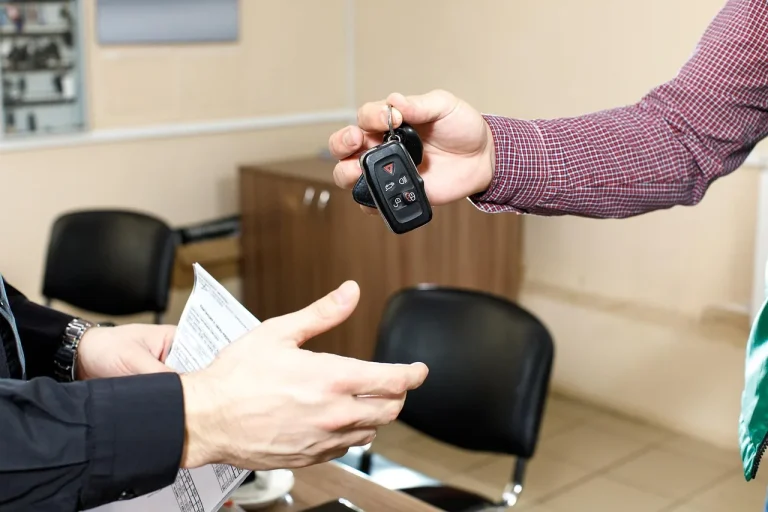
Inspect the car in person before you pay the final balance. Hold back the money until the vehicle, title, and sale documents all match the deal. If anything is off, ask for repairs, ask for a lower price, or walk away. Skipping that step can leave you paying for hidden damage, missing paperwork, or a car that is not the one you agreed to buy. This guide shows what to check, which documents to verify, and when to renegotiate or stop the sale.
This guide is part of our Used car inspection checklist: what to check before buying series.
Can you inspect a used car after placing a deposit?
Yes. Treat the deposit as a checkpoint, not final approval. That timing lets you verify the car’s condition, confirm the VIN and paperwork, and stop the deal if the inspection turns up hidden mechanical problems, accident repairs, flood signs, or open recalls.
That matters most when the seller wants the balance right away. For dealer purchases, you can often tie final payment to an inspection sign-off. For private-party sales, arrange the inspection before you meet with the rest of the money, or make payment depend on the car passing the review.
What you’ll need
- Vehicle history report tied to the VIN
- Photo of the listing or agreed sale terms
- Flashlight
- Tire tread gauge or coin for a rough check
- Paper towels or clean rag
- OBD2 code scanner
- Notepad or phone for photos and notes
- Mechanic or inspection service appointment, if possible
How to inspect the car before final payment
- Confirm the deal terms. Match the VIN, price, trim, mileage, and included equipment against the listing and deposit receipt. If the seller will not put the final payment on hold until inspection sign-off, that is a warning sign.
- Match the car to the VIN. Check the VIN on the dashboard, door jamb label, title, and sale paperwork. Any mismatch means you should stop before you pay the balance.
- Review the vehicle history report. Use the VIN-based report to check crash history, title status, mileage entries, and branded titles. Then compare it with the car itself, because a report alone cannot confirm current condition.
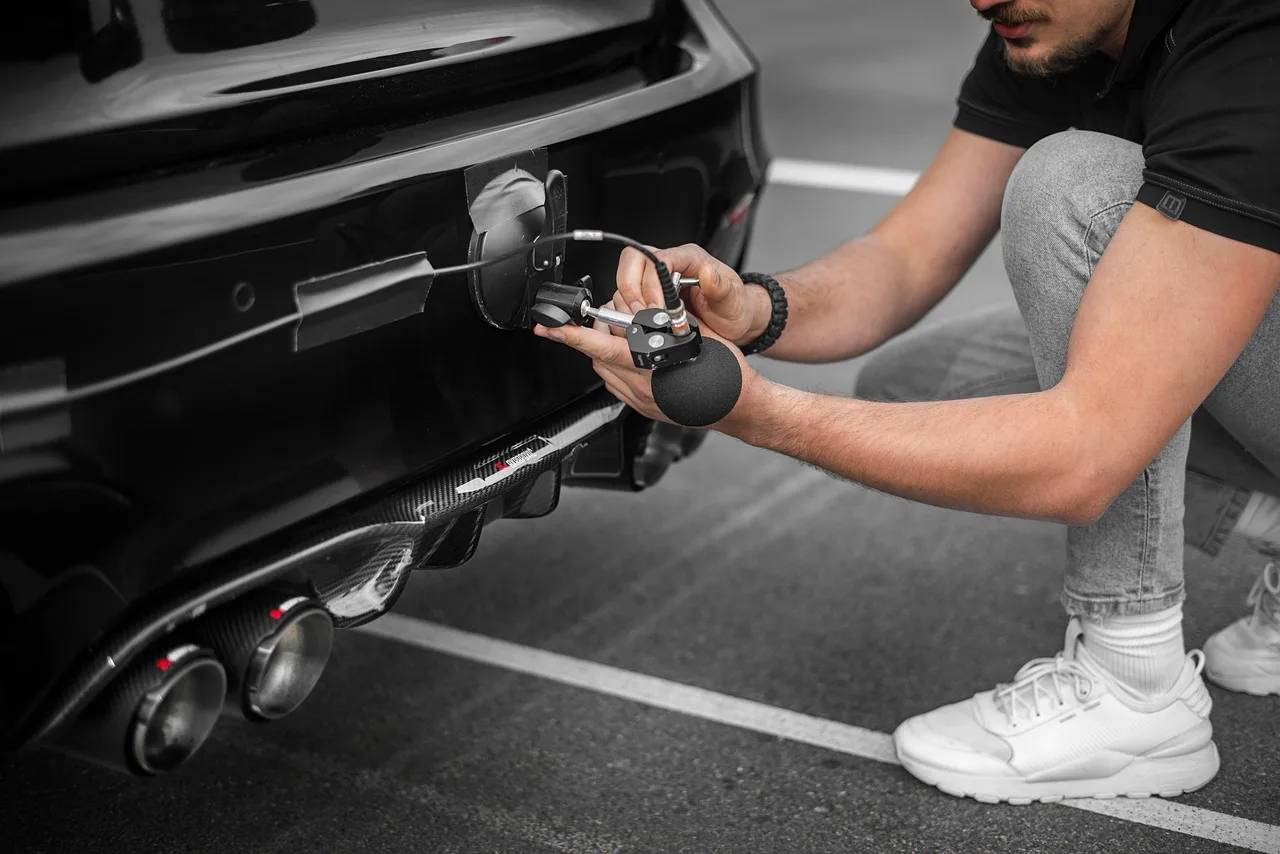
- Inspect the body and frame. Look for uneven panel gaps, overspray, mismatched paint texture, bent brackets, rust bubbles, fresh undercoating, water lines, and repaired seams. Lemon Squad says body and frame checks should look for accident and flood damage. (Consumerreports)
- Check fluids and leaks. Verify engine oil, coolant, brake fluid, transmission fluid, and power steering fluid where applicable. Look for low levels, milky color, burnt smell, metal flakes, or wet spots under the car.
- Examine tires and brakes. Measure tread depth, watch for cupping or uneven wear, and compare brands and sizes side to side. Check the brake pads and rotors visually, then confirm braking feel on the road test.
- Run the road test. Drive the car and check braking, shift quality, steering feel, and suspension noise. Lemon Squad includes brakes, transmission, suspension, and road test checks in its inspection, along with an OBD2 scan and 25+ photos. Consumer Reports also advises taking the car to a mechanic before you finalize the deal.
- Scan for trouble codes. Plug in an OBD2 scanner and read stored and pending diagnostic trouble codes. Codes can point to engine, emissions, or electronic faults that a quick drive may not reveal.
- Verify recalls and records. Check open recalls by VIN on the manufacturer site or NHTSA before payment. Ask for service records, accident disclosures, and any repair invoices that explain major body or mechanical work.
- Pause payment if anything fails. If the inspection shows a major defect, missing paperwork, or a VIN mismatch, do not send the balance yet. Renegotiate, request repairs, delay closing, or walk away.
Say your inspection finds a light steering wheel vibration at 55 mph and front tires worn on the inside edges. That pattern often points to alignment or suspension wear, so the next move is not payment; it is a written request for repair, alignment proof, or a lower price before the deal closes.
Suppose the car looks clean but the OBD2 scan shows a stored catalyst efficiency code and the seller says it just needs a reset. Ask for a repair invoice or a mechanic’s explanation before paying the balance, because cleared codes can hide an active fault.
What should you check before you pay the balance?
Before final payment, check four things: the car’s physical condition, the paperwork, the recall status, and the road-test results. A pre-purchase inspection can include a mechanic review and should be used to catch hidden mechanical problems before the deal closes, not after money changes hands.
The biggest mistake is treating a vehicle history report as enough on its own. It is only one piece of the picture. Cross-check it with the car in person, the VIN tags, the seller’s explanations, and the inspection findings.
Inspection decision table
| Issue found | Proceed? | Exact next action |
|---|---|---|
| Low tire tread below 4/32 inch | No | Ask for new tires or a price reduction equal to replacement cost, then recheck before payment. |
| OBD2 codes present | No | Request a diagnostic printout and repair invoice, or delay payment until the code is fixed and rescanned. |
| Frame corrosion or bent structure | No | Walk away unless a trusted body shop confirms the car is structurally sound in writing. |
| Flood odor or water staining | No | Stop the deal and request a full flood disclosure; do not pay the balance. |
| Mismatched VINs | No | Do not sign or pay; ask the seller to correct the paperwork or cancel the sale. |
| Open safety recalls | Only after fix | Ask the seller to complete recall repairs or provide proof they are scheduled, then verify by VIN. |
| Missing service records | Maybe | Proceed only with a lower price or a mechanic review of wear items, leaks, and maintenance condition. |
| Undisclosed accident repairs | No | Use the history report and repair signs to reopen price talks or walk away. |
| Brakes feel soft or pull to one side | No | Request brake inspection and written repair details before final payment. |
| Transmission slips or shudders | No | Pause the sale and get a transmission specialist diagnosis. |
| Suspension clunks or wandering steering | No | Demand a repair estimate and re-test the vehicle after any fix. |
| Title not ready or branded title not disclosed | No | Do not release payment until the title status matches the deal in writing. |
What if the seller refuses an inspection?
If the seller will not allow an inspection before final payment, treat that as a deal risk rather than a minor inconvenience. You do not need to finish the purchase just because a deposit has been paid. Ask for a delay, a mechanic visit, or a written inspection contingency; if the answer is no, walk away.
Dealer and private-party sales differ here. A dealer may have a process for holding the vehicle while an inspection is completed, and it is reasonable to ask for final payment to be contingent on sign-off. A private seller may be less flexible, which makes the deposit more important before you meet with the rest of the money.
- Ask for a delay. Say you need the car inspected before the balance is due and request a new payment date.
- Put it in writing. Confirm by text or email that final payment depends on inspection results, title match, and recall status.
- Reduce the risk. If the seller will not cooperate, stop sending money and recover the deposit if the agreement allows it.
Common mistakes
Buyers often pay too soon, skip the road test, or trust a clean history report without checking the car in person. Another mistake is ignoring recall status because the car “drives fine.” Open recalls matter before final payment, especially if they involve airbags, brakes, or other safety systems.
Do not let the deposit push you into closing a weak deal. The point of the pre-purchase inspection is to verify hidden mechanical problems, confirm paperwork, and decide whether to renegotiate or walk away. If the seller resists those checks, that resistance is itself useful information.
- Do not rely on verbal promises about repairs.
- Do not pay before checking the VIN on the car and title.
- Do not skip the mechanic review because the car looks clean.
- Do not ignore uneven tire wear or brake noise.
- Do not treat “no known accidents” as proof without inspection support.
How much does inspection cost compared with a bad purchase? Lemon Squad lists an in-person inspection at $219.99 and a live video inspection at $59.99, with average turnaround at 3 days and nationwide coverage across all 50 states. That is a modest spend compared with buying a car that needs major tires, brakes, body work, or engine repairs right after you close.
Frequently asked questions
Can I inspect a used car after placing a deposit but before paying the balance?
Yes. That is the right time to inspect it, because the deposit gives you leverage but does not make the deal safe. Keep the final payment on hold until the VIN, title, condition, recalls, and sale terms all match what was agreed.
What should I check on a used car before final payment?
Check the body, frame, tires, brakes, fluids, engine codes, and road-test behavior. Then verify the VIN, title status, service records, accident disclosures, and open recalls. A vehicle history report should support those checks, not replace them.
Should I take the car to a mechanic before I pay the rest?
Yes. Consumer Reports advises taking the car to a mechanic before you finalize the deal. A mechanic can spot leaks, worn suspension parts, brake issues, and signs of hidden repair work that are easy to miss during a short look-around.
What if the seller says I can’t have the car inspected before payment?
Pause the deal. Ask for a written inspection contingency, a new payment date, or a dealer-held vehicle until the review is finished. If the seller still refuses, do not release the balance; that refusal can be enough reason to walk away.
How do I inspect a used car for accident or flood damage before I finish the deal?
Check panel gaps, paint texture, underbody corrosion, fresh seam sealer, water lines, and musty odors. Compare those findings with the vehicle history report and the VIN. If the car shows flood signs or undisclosed crash repairs, do not proceed with final payment.
What documents should I verify before final payment on a used car?
Verify the title, VIN match, service records, accident disclosures, recall documents, and any repair invoices tied to the car. Also check that the seller’s name matches the paperwork and that no open title issue or branded-title surprise is buried in the deal.