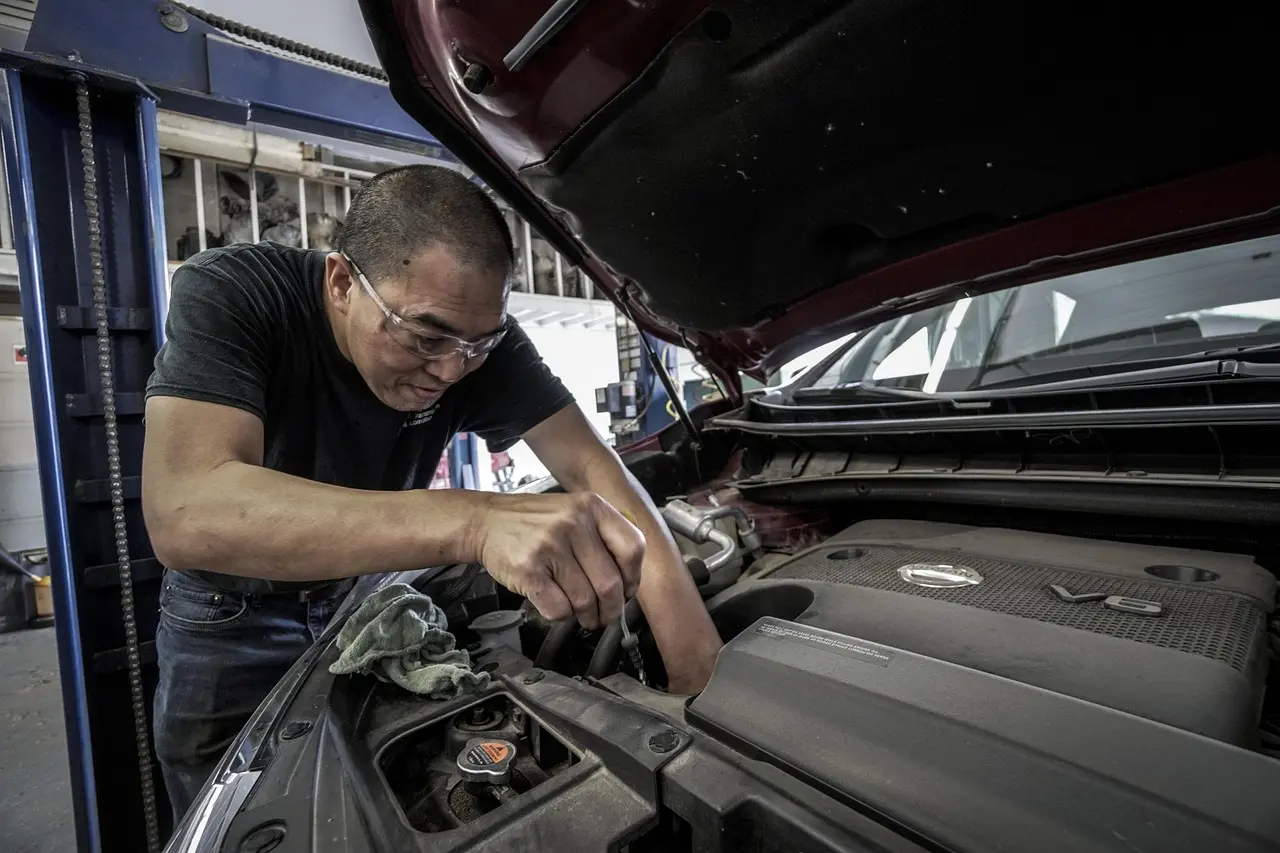
Used Car Inspection Checklist: What to Check
Use a used car inspection checklist in three passes: about a 10-minute walk-around, about a 15-minute test drive, and a third-party pre-purchase inspection; many buyers walk away from signs of flooding, frame damage, title issues, or overheating. Miss those checks and you can inherit repair bills worth thousands or buy a car that is unsafe or hard to resell. This guide covers the exact visual checks, test-drive clues, hard red flags, and which findings support negotiation versus an immediate no.
What should you check before seeing the car?

Before you drive over, verify the paper trail and set up the visit so the car can be inspected cold. A vehicle history report can show accidents, recalls, maintenance, and title issues, including a rebuilt title, but a clean report does not rule out past damage or poor repairs.
History, records, and seller questions
Start with the VIN. Run a vehicle history report, then match that VIN digit-for-digit against the listing, the VIN plate at the base of the windshield, the dashboard tag, the title, and the driver-door label if the seller has photos. Review accident entries, title brands, open recalls, maintenance records, odometer consistency, and whether the title is clean, salvage, or rebuilt.
A rebuilt title is not a minor footnote. It raises repair-quality, insurability, and resale questions, so treat it as a separate risk decision, not as a routine bargaining point.
Ask the seller for records before the appointment: title in hand, service invoices, emission or inspection reports, tire receipts, battery date, and any paperwork for collision repair. Also ask that the car remain parked overnight or for several hours before you arrive. A pre-warmed engine can hide hard starting, smoke, chain rattle, and weak battery symptoms.
- Confirm the VIN. Match the VIN everywhere you can before the visit. If the seller refuses to share it, or the numbers do not match, treat that as a walk-away issue until the paperwork is explained.
- Read the history report. Look for accidents, recalls, maintenance, and title issues. Pay close attention to salvage or rebuilt status, odometer inconsistencies, and repeated auction or registration changes that may line up with damage or flood events.
- Request service proof. Ask for invoices, not verbal claims. A stack of oil-change receipts does not prove major items were done, but it does help you compare maintenance dates, mileage entries, and whether the seller actually has the records mentioned in the ad.
- Set cold-start conditions. Ask the seller not to start the car before you arrive. This matters because cold-start behavior can reveal smoke, misfires, battery weakness, and noisy valvetrain or timing components that may disappear after warming up.
What to bring to the inspection
Bring simple tools that help you verify basics without pretending a driveway check can replace a lift or scan tool. The goal is to sort repairable issues from defects that need a mechanic or should end the deal.
- Flashlight
- Paper towels or clean rag
- Tread-depth gauge or a coin for a quick tread check
- Magnet, if appropriate, for possible body filler checks on steel panels
- OBD-II scanner, if available
- Phone camera
- Printed or saved checklist
How do you inspect a used car yourself in person?
You can do a useful buyer check yourself if you follow a fixed order: walk around the car, inspect the cabin and trunk, look in the engine bay, then start it cold and drive it. That sequence keeps cosmetic distractions from making you miss flood, frame, or engine warning signs.
Use a repeatable inspection sequence
- Walk the perimeter. Start a few feet back and look at the whole car before focusing on details. Uneven stance, mismatched paint tone, sagging bumpers, or a hood that sits higher on one side can point to crash repair or suspension damage.
- Check the cabin. Open every door and smell the interior before touching anything else. Musty odor, damp carpet, water staining, nonworking switches, and condensation inside lamps or screens can point to flood damage or hidden leaks.
- Open the trunk. Lift the floor panel and inspect corners, spare-tire well, and trim edges. Water lines, silt, rust on seat brackets or jack hardware, and wrinkled metal near the rear body structure matter more than a scuffed cargo mat.
- Inspect the engine bay. Open the hood before anyone starts the car, then check the ground, splash shields, crossmembers, and the lower edge of the engine and transmission for wet drips, dusty oil tracks, or residue that was recently wiped away. Check oil level and condition, coolant level and color, cracked belts, swollen hoses, battery corrosion, amateur wiring, and signs that leaks were recently wiped down.
- Start it cold. Watch how quickly it starts and whether warning lights turn on and then go out as they should. Listen for rattles, knocking, uneven idle, or smoke from the exhaust in the first minute.
Picture a seller who has the hood open before you arrive and the engine already warm. That changes one variable: you lose the cold-start check. Reschedule or return later, because the easiest time to catch smoke, chain noise, and weak starting is the first start of the day.
What should you look for on the exterior and underneath?
The exterior tells you whether the car has lived an ordinary life or a hard one. Look for paint mismatch, bad panel fit, rust, tire wear, leaks, bent underbody parts, and frame or unibody repair clues, because those findings separate cosmetic bargaining points from structural walk-away risks.
Body panels, paint, glass, and lights
Check the car outside in full daylight, not under sodium streetlights, rain, or a dim parking garage, then sight down both sides from front and rear corners for waviness, mismatched paint texture, or color that shifts from one panel to the next. Overspray on trim, weatherstripping, wheel-well liners, or badges often means repaint work.
Panel gaps should look consistent side to side. A tight hood gap on one fender and a wide gap on the other can mean previous front-end repair. Also inspect for mismatched fasteners, missing VIN stickers on panels where applicable, chipped glass, cracked lamps, dents at roof rails, and bubbling paint at wheel arches, rockers, and door bottoms.
Undercarriage, tires, and wheels
Use a flashlight and kneel down. You are not diagnosing every part in a driveway; you are looking for signs that justify further inspection or ending the visit.
- Fluid leaks from engine, transmission, cooling system, shocks, or differential
- Rust scale that flakes in layers, not just light surface discoloration
- Bent suspension arms, damaged pinch welds, scraped exhaust, or fresh undercoat
- Impact damage from curbs or road debris
- Mismatched tire brands, uneven shoulder wear, cupping, or one newer tire hiding alignment trouble
Read the DOT date code on each tire if visible. Old tires with usable tread still add cost. Uneven inner-edge wear can mean alignment problems, worn suspension parts, or a bent component after an impact.
Frame and unibody clues
Most modern cars use a unibody, so structural damage may show up as wrinkled metal, pulled seams, fresh welds, or areas with undercoat that looks newer than the surrounding floor. Misaligned hood or trunk openings, wandering on the road, and uneven tire wear can all connect back to structure.
Frame or unibody repairs are not equal. A documented, properly measured repair on a minor rear section is different from obvious twist, crumple signs, replacement structural parts, or weld marks in key load paths. Structural damage is often a walk-away finding because alignment, tire wear, safety performance, and resale can remain compromised even if the car looks straight.
How do you spot flood and accident damage?
Flood and accident damage leave patterns, not one single clue. Combine smell, moisture signs, corrosion, silt, electrical problems, paint and fastener inconsistencies, wrinkled metal, and structural repair evidence; when several show up together, move from negotiation to a hard no.
Flood damage indicators
Flood cars often look clean on top and dirty in hidden areas. Smell the cabin first. Then inspect under seats, inside the trunk, behind trim edges you can access, and around wiring connectors. Musty odor, wet upholstery, damp carpet backing, water lines, corrosion on seat mounts, and silt in hard-to-clean seams are stronger clues than a recently shampooed floor mat.
Fogged lamps, erratic power windows, dead speakers, intermittent warning lights, and unexplained electrical glitches also fit the flood pattern. So does rust or green corrosion on connector pins where the rest of the car does not show similar aging.
Accident repair clues beyond paint mismatch
Look under the hood and inside the trunk for wrinkled metal, seam sealer that changes texture, and bolts with chipped paint around them. Those can point to parts that were removed or replaced after a collision.
Check for missing labels or VIN stickers on fenders, doors, hood, or decklid where the model normally has them. One replaced bolt-on panel is not automatically a deal breaker. Replacement structural parts, poor welds, or visible pull marks are different.
Suppose a sedan has one repainted fender, but the gaps are even, the inner aprons are smooth, the VIN stickers match on major panels, and the car tracks straight. That is usually an inspect-further or negotiate situation. Add wrinkled inner metal and fresh weld marks, and it becomes a walk-away issue.
When frame damage means stop
Leave the deal if you see twist, crumple signs, obvious weld marks on structural sections, or fresh undercoat that appears to hide repairs. If the steering wheel sits off-center, tire wear is uneven, and panel fit is inconsistent, assume the structure needs measurement on a rack before any money changes hands.
What engine and transmission problems can you catch early?
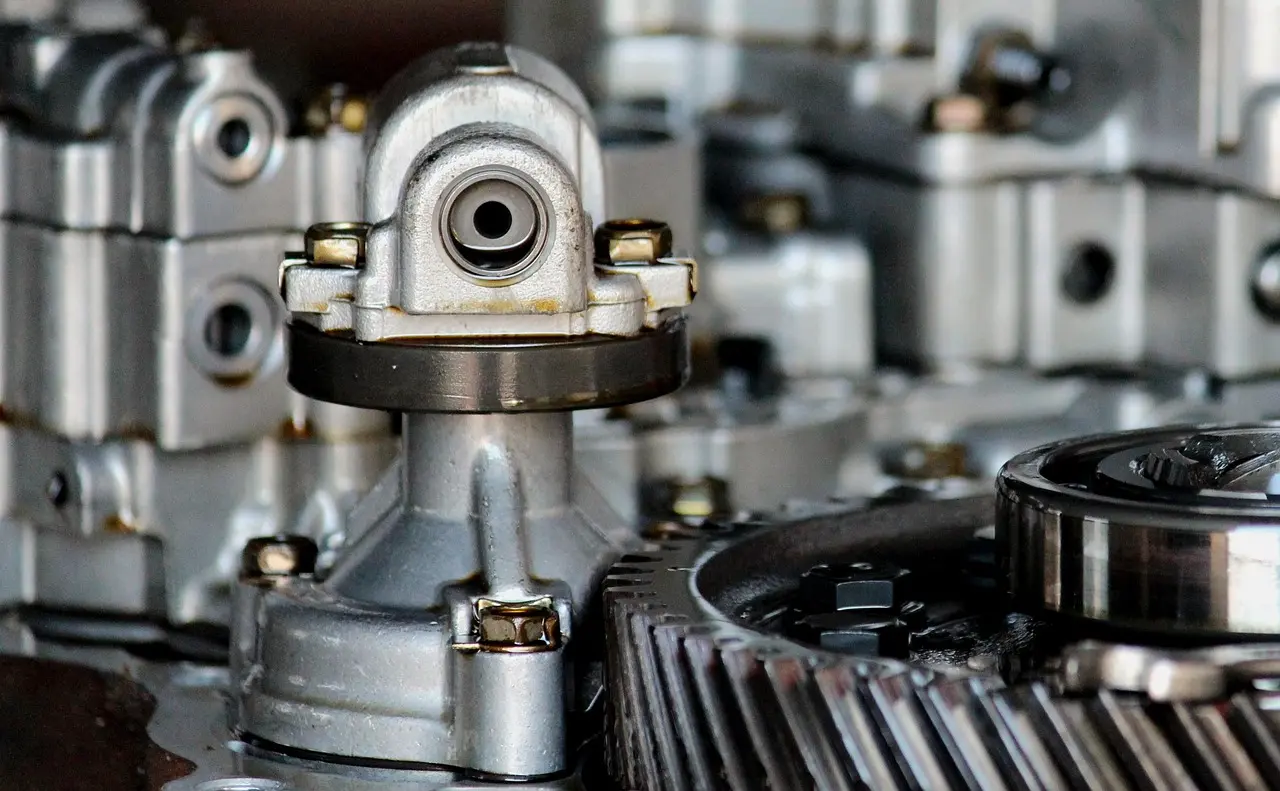
You can catch many powertrain warnings before paying for a mechanic: low or dirty fluids, coolant issues, belt and hose neglect, aftermarket wiring, cold-start smoke, rough idle, delayed shifting, whining bearings, and warning lights. What you cannot prove in a driveway still matters, especially internal engine wear.
Engine-bay checks before startup
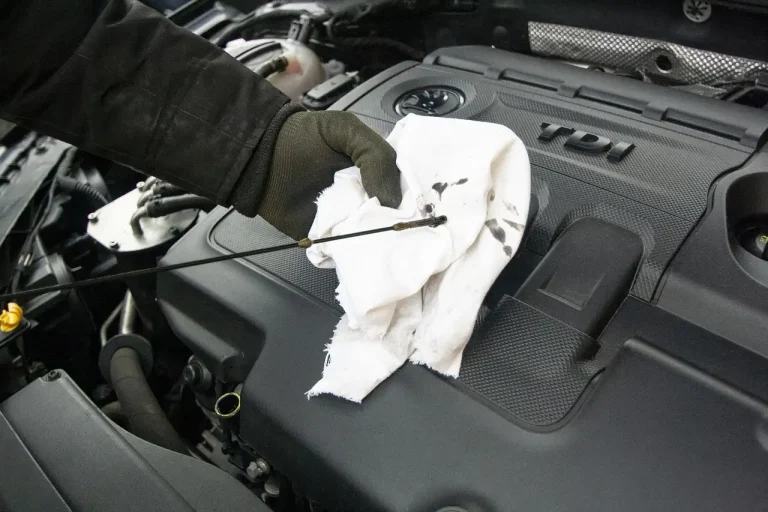
Check engine oil level and look at condition on the dipstick. Thick sludge, glitter, milky contamination, or a low level can point to neglect or internal trouble, though one dipstick alone is never a full diagnosis. Coolant should be at the correct level and free of oily film.
Inspect belts for cracks, hoses for swelling, and battery terminals for corrosion. Look for aftermarket wiring splices, missing covers, or disconnected emissions hardware. Fresh oil around valve covers may be a gasket job; coolant residue around the water pump area is more serious if overheating is part of the story.
Cold start, smoke, and idle quality
On a true cold start, the engine should fire without extended cranking and settle into a stable idle. Watch for blue smoke that suggests oil burning, white smoke that lingers after warmup, or black smoke under throttle that may point to fueling issues.
Listen for timing-chain rattle, sharp ticking that does not fade, deep knocking, or intake surging. Warning lights that stay on after startup matter more than a seller saying the car “always does that.” Chronic check-engine, ABS, airbag, or transmission warnings are at least a reason to inspect further and are often a reason to walk away.
Transmission and drivetrain warning signs
On the drive, note delayed engagement into Drive or Reverse, flare between shifts, harsh banging shifts, slipping under acceleration, shudder during takeoff, or a rumble that changes with speed. A single rough shift can have several causes. Repeatable slip or shudder is different.
Wheel-bearing noise often rises with road speed, while engine noise follows rpm. CV-joint clicking often shows up during low-speed turns. Differential whine may appear on throttle or coast, depending on wear.
Why the oil filter matters in a mechanic inspection
Experts recommend a thoroughly inspected vehicle before purchase, and the suggested inspection should be done by an independent auto body shop mechanic. One reason is that some engine failures do not announce themselves clearly during a short drive.
A known example involved a truck that “won’t even start” after purchase. The follow-up diagnosis suggested metal in the oil filter, and that metal likely pointed to engine bearing failure. That is why the engine oil filter is a real visual inspection point during a professional check: cutting the used filter open can reveal metal contamination that you will not confirm in a driveway.
What matters most on the test drive?
The test drive should confirm how the car behaves under load, during braking, at parking-lot speed, and at road speed. Focus on straight tracking, steering effort, brake feel, shift quality, suspension noise, HVAC and electronics operation, and warning lights that appear only after driving.
Road-test sequence
- Start with low speed. Drive through a parking lot with the windows down and steering at full lock in both directions. Listen for CV clicks, steering groan, suspension clunks, and brake scrape that may disappear once road noise rises.
- Check straight tracking. On a flat road, lightly relax your grip and see if the car pulls. A slight drift can be road crown; a strong pull, crooked steering wheel, or vibration under steady speed points toward alignment, tire, brake, or suspension issues.
- Test the brakes. Make several smooth stops from different speeds. Pulsation, pull, grinding, long pedal travel, or ABS and brake warnings change the next step from negotiation to mechanical inspection.
- Vary acceleration. Use gentle throttle, then a firmer merge or uphill pull if conditions allow. Hesitation, slipping transmission, boost leaks on turbo engines, or misfires often show up only when the drivetrain is loaded.
- Recheck after driving. Park, let the engine idle, and watch for fresh warning lights, overheating, cooling-fan behavior, and new leaks. Then test every window, lock, seat function, camera, infotainment feature, and HVAC mode.
Say your test drive is only six blocks at 25 mph. That changes one variable: you never load the transmission or check highway vibration. Ask for a longer route, because many problems stay hidden until the car reaches road speed or completes several stop-and-go shifts.
Inspection scoring table
Used car inspection checklist table
| Item checked | Pass/fail threshold | What to do next |
|---|---|---|
| Vehicle history report | Pass if VIN matches and report does not show unresolved title issues; fail if salvage, rebuilt title, odometer inconsistency, or major accident entries lack repair proof | Inspect further for minor history entries; walk away for unexplained title problems or major damage history |
| Open recalls | Pass if recalls are completed or seller provides plan for completion; fail if safety recalls are open and seller minimizes them | Inspect further and confirm repair eligibility; negotiate only if completion is straightforward |
| Paint and panel fit | Pass if color, texture, and gaps are consistent; fail if overspray, waviness, and uneven gaps appear on several adjacent panels | Negotiate for cosmetic issues; inspect further for collision repair clues |
| Frame or unibody signs | Pass if no wrinkled metal, pull marks, or structural welds are visible; fail if twist, crumple signs, or fresh undercoat hide repairs | Walk away unless an independent structural inspection clearly clears it |
| Undercarriage leaks and damage | Pass if dry or only minor residue from old seepage; fail if active fluid drips, bent components, or impact damage are present | Inspect further; negotiate for repairable leaks, walk away for major damage |
| Rust severity | Pass if rust is limited to light surface areas; fail if rust scale, perforation, or structural corrosion appears on floor, rockers, mounts, or lines | Negotiate for light surface rust; walk away for structural rust |
| Flood indicators | Pass if cabin is dry and hidden areas are clean; fail if musty odor, water lines, corrosion, wet upholstery, or silt appear | Walk away |
| Tires and wear pattern | Pass if tread and wear are even across all four tires; fail if inner-edge wear, cupping, or mismatched replacements suggest alignment or suspension trouble | Negotiate for tire age or replacement; inspect further for suspension or frame issues |
| Cold start and warning lights | Pass if the engine starts cleanly and warning lights cycle normally; fail if hard starting, smoke, knock, or persistent warning lights appear | Inspect further for minor issues; walk away for knock, overheating, or chronic warning lights with no diagnosis |
| Transmission behavior | Pass if engagement and shifts are smooth and repeatable; fail if slipping, flaring, banging shifts, or shudder are repeatable | Inspect further; walk away if slip or shudder is pronounced |
| Third-party inspection | Pass if an independent mechanic finds no major structural or powertrain defects; fail if serious problems are confirmed | Negotiate if the mechanic finds something wrong; walk away from serious problems |
Used car inspection checklist matrix
| Issue area | Red flags | Default action |
|---|---|---|
| Flood | Musty odor, wet carpet, water lines, silt in trunk seams, corrosion on connectors or seat mounts, electrical glitches, fogged lamps | Walk away |
| Frame / unibody | Wrinkled metal, pull marks, weld marks, fresh undercoat hiding repairs, misaligned openings, crooked steering with uneven tire wear | Walk away unless a trusted independent inspection clears structure |
| Rust | Rust scale on structural areas, perforation, weak jack points, corroded brake or fuel lines, rotten rockers or subframe mounts | Walk away for structural corrosion; inspect further for localized nonstructural rust |
| Engine | Knock, overheating, blue smoke, coolant contamination, low compression symptoms, metal in the oil filter, repeat check-engine light, severe misfire | Walk away unless a mechanic can document a minor, contained repair |
Should you get a third-party pre-purchase inspection?
Yes. A third-party pre-purchase inspection is the step that confirms what your eyes and short drive cannot, especially underbody condition, scan-tool faults, structural repairs, and internal engine risk. The inspection is also where small bargaining points stop being guesses and become documented findings.
What an independent mechanic can confirm
A third-party inspection is framed as a key step before buying used, and the quoted suggested fee was $300. That fee buys more than a second opinion. It buys lift access, trained pattern recognition, and confirmation of whether your driveway suspicions are cosmetic, mechanical, or structural.
The mechanic should inspect the undercarriage, frame or unibody, suspension, brakes, tires, steering components, leaks, cooling system, stored fault codes, battery condition, and evidence of crash or flood repair. If compression, leak-down testing, or transmission adaptation data is needed, that should be discussed before purchase rather than after a surprise breakdown.
How to use findings for negotiation or a walk-away
If a mechanic finds something wrong, it can be used to negotiate a lower price. Use documented estimates and specific defects, not a vague request for “some money off.” Tires near replacement, minor oil leaks, brake wear, or one replaced cosmetic panel usually fit the negotiation category.
Serious problems can also be a sign to walk away from the deal. That includes flood evidence, structural repair concerns, severe rust, overheating, engine knock, transmission slip, or repeated warning lights with no clean diagnosis. Those are ownership-risk issues, not normal used-car wear.
Use a fast DIY inspection to screen out bad buys
A short, methodical check can reveal the problems that most affect price and safety before you spend money on a pre-purchase visit. The used car inspection guide shows how to review the body, fluids, tires, lights, electronics, and paperwork in about 10 minutes so you can spot red flags like structural rust, airbag warnings, coolant-oil contamination, or a mismatched title.
That matters because the wrong car can turn a bargain listing into repairs that cost more than the vehicle is worth. Use this process to decide whether the car is worth a deeper look, a price negotiation, or an immediate pass.
Use a private-sale checklist to sort good cars from bad ones
A printable checklist can turn a private-sale inspection into a fast yes-or-no process. This guide shows you the first walk-away checks to make before spending time on a car: title and VIN match, warning lights, major leaks, frame or flood damage, and signs the car may not start or overheat. That matters because private-sale deals often move quickly, and the cheapest car can become the most expensive one if you miss hidden damage.
It also lays out the inspection in a practical order, from paperwork to the test drive, so you can decide whether to continue, negotiate, or leave. If you want a ready-to-use version, the private sale checklist keeps the process organized.
Frequently asked questions
What should I check before buying a used car?
Check the VIN, vehicle history report, title status, maintenance records, cold-start condition, exterior and underbody damage, tire wear, warning lights, and test-drive behavior. Then get an independent pre-purchase inspection, because your own checks can sort risk but cannot fully confirm frame, scan-tool, or internal engine problems.
How do I inspect a used car myself before I buy it?
Follow a set order: history report first, then a daylight walk-around, cabin and trunk moisture check, engine-bay inspection, cold start, and test drive. Bring a flashlight, paper towels, tread gauge or coin, phone camera, checklist, and an OBD-II scanner if available.
What red flags should make me walk away from a used car?
Walk away from flood signs, structural frame or unibody damage, severe rust on structural areas, salvage or rebuilt title issues you cannot verify, overheating, deep engine knock, repeat transmission slip, and chronic warning lights with no credible diagnosis or repair records.
Should I get a third-party inspection before buying a used car?
Yes. Experts recommend a thoroughly inspected vehicle before purchase, and the inspection should be done by an independent auto body shop mechanic. It can confirm underbody, structural, and scan-tool findings, support negotiation, and set a clear walk-away threshold when major defects are present.
How do I check a used car for accident damage?
Look beyond paint mismatch. Check panel gaps, overspray, cracked seam sealer, wrinkled metal under the hood and in the trunk, mismatched fasteners, missing VIN stickers on panels where applicable, and signs of replacement structural parts. Then confirm suspicious findings on a lift.
How do I know if a used car has engine problems before buying?
Start with oil and coolant condition, visible leaks, belt and hose condition, cold-start behavior, smoke, idle quality, and warning lights. On the drive, watch for hesitation, overheating, and drivetrain noise. A mechanic can go further by scanning codes and checking the oil filter for metal contamination.