How to Donate a Nonrunning Car to Charity
Yes, many charities accept a nonrunning car if they offer pickup, can process the title, and can use or sell the vehicle. Donation makes more sense when repair costs are higher than the car’s likely sale value and you want a cleaner handoff than selling for parts. A verified charity and correct paperwork matter as much as the car’s condition.
Can you donate a car that does not run?
That means the first question may not be whether the car starts. It is whether the charity accepts nonrunning vehicles, whether it is a 501(c)(3) organization, and whether it can issue the records you need for a federal charitable deduction. If the title is missing or the tow truck cannot reach the car, the donation can stall fast.
Many charities also work through a third-party vehicle processor. In that setup, the vehicle may be sold at auction, and a share of the proceeds may go to the charity, sometimes as a percentage or a flat amount. Some donated vehicles are sent to a recycler or salvage yard for dismantling or resale of usable parts.
When donation makes more sense than repair
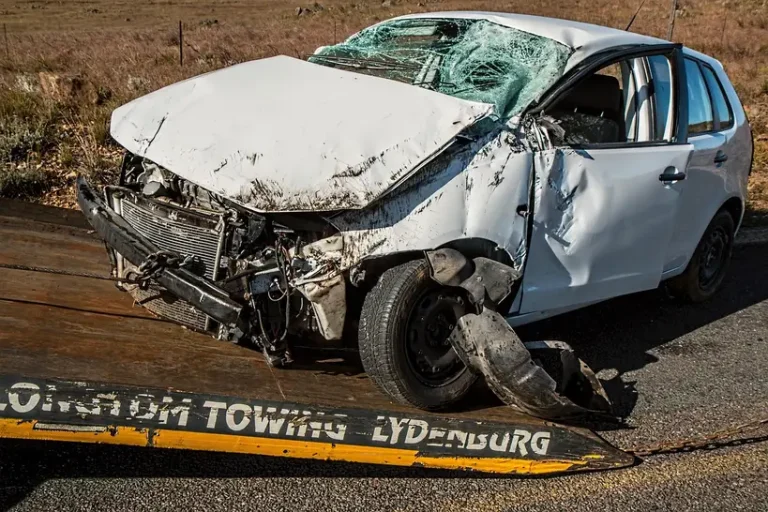
Donate when the repair bill is likely to exceed the vehicle’s practical value, or when the car has enough damage that a private sale would take more time than it is worth. A nonrunning car with a dead battery, failed starter, or flat tires can still be a good donation candidate if pickup access is simple.
Suppose a sedan needs a transmission and the estimate is higher than the car’s auction value. Donation can turn a dead-end repair decision into a clean pickup and a paper trail. The tradeoff is simple: you give up the chance of a private sale, but you avoid the hassle of fixing and listing a vehicle that will not move.
When scrapping may be the better move
Scrap may be better when the title is missing, the body is heavily damaged, or the vehicle cannot be accessed safely for tow pickup. If a charity will not take the car as-is, a scrap yard or recycler may still accept it, but the outcome depends on title rules and local pickup limits.
For a car with major collision damage, no keys, and no driveway access, the donation route can become slow or impossible. In that case, compare the likely donation value, towing convenience, and any paperwork burden against a scrap quote before you choose.
Nonrunning car decision checklist
Use this table before you schedule pickup. It separates condition, title status, and access problems so you can decide whether donation is realistic, whether you need a title fix first, or whether scrap is the faster move.
| Vehicle condition | Title status | Pickup obstacles | Likely charity response | Fastest next action |
|---|---|---|---|---|
| No-start | Title in hand | Needs tow only | Often accepted if it can roll and be reached | Confirm pickup window and give the VIN |
| No-roll | Title in hand | Locked wheels or seized brakes | May be accepted if the tow company can load it | Ask whether winch loading is available |
| Missing keys | Title in hand | Locked steering or no interior access | Sometimes accepted, but access details matter | Tell the charity before pickup is scheduled |
| Title missing | No title | Paperwork blocked | Often paused until ownership is proven | Check your state title replacement process first |
| Major damage | Title in hand | Flat tires, bent body, or flood damage | May still be accepted if tow access is safe | Get a clear yes before you assume pickup |
| No towing access | Title in hand | Gated lot, blocked driveway, soft ground | May decline or reschedule | Arrange access before the tow truck arrives |
Check the charity before you schedule pickup
Before you arrange a tow, verify that the organization is a real 501(c)(3) charity and that it is eligible for a federal charitable deduction. Use the IRS Tax Exempt Organization Search to confirm tax-exempt status. Ask who actually handles the vehicle, how much of the proceeds goes to the charity, and whether a third-party processor is involved.
For tax-sensitive donations, the IRS also explains that the deduction rules depend on what the charity does with the vehicle after donation. If the charity sells the vehicle without significant intervening use or material improvement, the deduction is generally tied to the sale proceeds reported to you, not an optimistic retail estimate. See the IRS guidance for Charitable Contributions of Vehicles.
Verify 501(c)(3) status
Tax-exempt status matters because it affects whether your donation can support a federal charitable deduction. A charity that says it accepts cars is not enough. You should confirm its tax-exempt status through the IRS Tax Exempt Organization Search and make sure the donation is going to an organization that can lawfully provide the required receipt and acknowledgment.
Ask how the vehicle is handled
Some charities keep the vehicle program in-house. Others pass the car to a processor that schedules the tow, sells the car, and sends the charity a share of the proceeds. Ask that question early so you know who will call, who will collect the car, and who will issue your records.
That question also tells you what happens after pickup. A car with poor tires, cosmetic damage, or a dead drivetrain is often sold rather than used by the charity itself. It may never be driven by the organization.
What documents do you need?
You need the vehicle title, the VIN, and the right tax records for the value of the donation. The title should be transferred before pickup if possible, since that can help reduce later liability risk. For vehicles valued above $500, expect a written acknowledgment from the charity, and for certain higher-value donations, additional IRS forms or appraisal paperwork may apply.
The IRS rules are specific: for vehicles donated and claimed as a charitable deduction, the charity’s acknowledgment and, in many cases, its written statement are part of the recordkeeping. If your deduction is more than $500, you generally need supporting information for Form 8283. If the claimed deduction is over $5,000, a qualified appraisal is generally required unless an exception applies. See the IRS instructions and guidance for details.
Vehicle title and transfer timing
The vehicle title must be transferred, and it is best to transfer it before the tow truck arrives. That timing helps protect you if the car is later ticketed, abandoned, or involved in an issue after handoff. If your state requires a release of liability, file it right away.
Keep the title and donation receipt together, and make sure the charity’s name matches the organization you verified. A clean title transfer is the easiest way to prevent a donation from turning into a paperwork problem later.
VIN and donation record details
The VIN is needed for donation records and title paperwork. Keep it with the title, your pickup confirmation, and any receipt the charity gives you. If the car is not running, the VIN still identifies the vehicle and helps the charity match the donation to the correct unit.
Written acknowledgment and tax forms
A written acknowledgment from the charity is required for vehicles valued above $500. IRS Form 8283 is typically needed when value exceeds $500 and is used with your annual federal income tax filing. If the value is over $5,000, a qualified appraisal is generally needed, subject to IRS rules and exceptions. For timing and content, the IRS requires a contemporaneous written acknowledgment for certain gifts and sets the documentation standard for vehicle donations.
Do not assume the donation amount equals the number in the classified ad for a similar running car. For many donated vehicles, the tax-deductible value is tied to the auction sale gavel price when the charity sells the vehicle without significant intervening use or material improvement. That is one reason poor-condition cars usually bring less tax value than owners expect.
A common first-timer mistake is to leave the paperwork until after the tow. That can create a gap between pickup and title transfer, which is exactly where later liability problems begin.
How does nonrunning car pickup work?
Pickup is usually arranged as a tow, not a driveway test drive. The charity or its processor confirms the vehicle details, sets a pickup time, and sends a tow truck that can load a car that does not drive. The biggest failure points are access, missing keys, and a car that cannot roll safely.
Schedule safe tow access
Tell the scheduler whether the car is in a driveway, behind a gate, in a garage, or on a lot with height limits or narrow turns. A tow company needs enough room to hook up the vehicle and move it without blocking traffic or damaging property. Flat tires, soft ground, and blocked access can change the plan.
What to do if the car has no keys
Missing keys do not always stop a donation, but they must be disclosed. The tow operator may still be able to load the car if the steering is not locked and the hood or doors do not need to be opened. If the keys are missing and the steering is locked, say so before pickup is confirmed.
What to do if the car will not roll
If the car will not roll, the tow company may need a winch or special loading setup. Seized brakes, stuck wheels, or a transmission that is locked in park can make loading slower. Some charities will still accept the vehicle if the tow service can handle it; others will decline.
What to expect at handoff
Have the title, VIN, and any signed transfer forms ready. The driver may inspect the vehicle, confirm access, and remove it on the spot. If you are not sure whether the title has been signed correctly, ask before the car leaves.
What happens after the tow?
Most donated cars are sold, not kept by the charity. The vehicle may go to an auction, to a processor, or to a recycler. In some cases, the car is sent to a salvage yard for dismantling and parts recovery. The important point for donors is that the car’s end use is usually commercial, not charitable driving.
That post-pickup path matters because the IRS treatment can change depending on whether the charity uses the vehicle substantially, materially improves it, or sells it. If the charity simply sells the car, the sales price and the charity’s acknowledgment become central to the deduction record.
How the sale affects your deduction
When the car is sold at auction, the auction sale gavel price often drives the tax-deductible value in many cases. That figure can be below what you hoped the car was worth on the open market. If the sale price is low, your deduction may be lower too, depending on the tax rules that apply to your filing.
Why poor-condition cars often bring less
Cars with severe body damage, missing parts, or a failed drivetrain often bring less at sale because the buyer must absorb towing, repair, and resale risk. That is why asking what portion goes to the charity matters. A processor may take a percentage or a flat amount before the charity receives its share.
Should you repair or scrap it instead?
Choose repair only if the fix is modest and will clearly raise the car’s value enough to justify the cost. If the car needs major engine, transmission, or structural work, donation or scrap may be the cleaner path. For a nonrunning car, the useful question is not “Can it be fixed?” but “Which option ends the problem with the least waste?”
Repair cost versus likely donation value
If a repair costs more than the likely sale value, fixing it just to donate usually does not make sense. You might spend more than the car will return at auction or scrap. In that case, donation of the car as-is is often the simpler route, provided the charity can pick it up and handle the title correctly.
When major damage changes the decision
Major damage changes the decision when it blocks safe loading or makes the vehicle hard to identify and transfer. A bent frame, missing wheels, or flood damage can push a charity to decline the car. If that happens, scrap may be the faster option because the recycler may be better set up for damaged vehicles.
Frequently asked questions
How to donate a non running car to charity
Start by verifying that the charity is a 501(c)(3) and can accept a nonrunning vehicle. Then confirm pickup, gather the title and VIN, and ask how the car will be handled. If the organization uses a third-party processor, ask who sends the tow truck and who sends the tax records.
How to donate a car without driving it
Arrange tow pickup instead of trying to move the car yourself. Give the charity the VIN, title status, and access details, including any flat tires, dead battery, or locked steering. The tow company needs to know whether the car rolls, because that affects how it will be loaded.
Does it cost money to donate a nonrunning car?
It often does not, if the charity offers free pickup and no hidden fees. Still, ask directly whether towing is free and whether any processing charge will be deducted from the proceeds. Do not assume every program covers every situation, especially for hard-to-reach vehicles.
Should you repair a nonrunning car before donating it?
Usually only if a low-cost repair will clearly improve the car’s outcome. For major engine, transmission, or body work, the repair bill can outrun the car’s likely sale value. In that case, donate it as-is or compare the donation route with scrap before spending money.
What happens to a donated car that does not run?
The car is usually sold at auction, passed to a processor, or sent for recycling. Some vehicles go to a recycler or salvage yard for dismantling. The charity may receive all or part of the proceeds, but the car itself is often not kept for use by the organization.