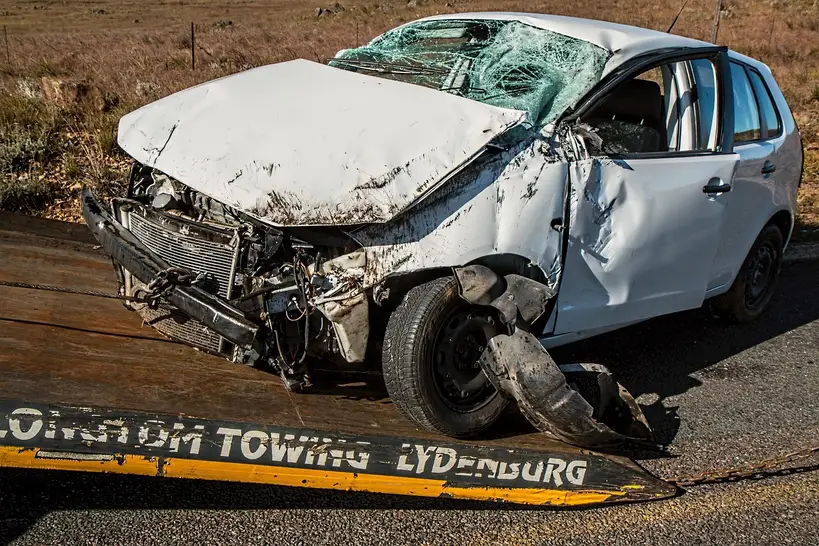
How to Donate a Car Without Driving It
Donate a nonrunning car by arranging free tow pickup with a charity, signing over the title, removing plates, and keeping a receipt. Do not drive it if it lacks valid registration, insurance, or roadworthiness. If you skip the paperwork, you can still owe fees, run into title-transfer trouble, or get blamed for tickets. This guide covers title transfer, lienholder checks, pickup scheduling, state DMV steps, and what to hand over at pickup.
What changes when the car will not run
A nonrunning car changes the handoff. You are not planning a road trip. You are planning a tow, a title transfer, and a pickup spot the tow operator can reach safely. That means the car’s condition, access, and title status matter more than whether it still looks complete.
Most donation programs send a tow truck or flatbed. That helps, but it does not mean every vehicle is eligible as-is. If the car cannot roll, cannot steer, sits behind a locked gate, or has no clear title path, the pickup can stall before the tow truck arrives. (Thedrive)
Why nonrunning vehicles need a pickup plan
For a car that does not start, the charity or its tow vendor needs to know where the vehicle sits, whether it rolls, whether the wheels turn, and whether the lot owner or HOA will allow access. A poor tow plan can turn a simple donation into extra storage fees or a failed pickup.
When donation is still practical versus when it is not
Donation still makes sense when the car has a transferable title, the keys are available, and the vehicle can be reached for a tow. It becomes less practical when title problems, lien issues, or access barriers add more work than the car is worth.
Say your sedan died in a driveway with clear curb access and a signed-over title in hand. Pickup is usually straightforward. Now suppose the same sedan is parked in a locked storage lot with a missing title and a lender still on record. That is a DMV and access problem, not a simple donation.
What the tow company needs to know first
Give the charity honest details before pickup: exact location, whether the car rolls, whether the steering wheel turns, whether the tires hold air, and whether there are any obstacles. If the tow operator shows up expecting a roll-away and finds locked wheels, the truck may not be able to load it.
Can you donate a nonrunning car?
Yes, a nonrunning car can often be donated if the charity accepts vehicles like that, the title is transferable, and pickup is workable. MyCarWhy cites IRS Publication 4303 for vehicle donation rules, and that is a good reminder that the paperwork matters as much as the car’s condition.
When charities accept cars that do not start
Many charities take nonrunning vehicles because the car may still have value as parts, scrap, or auction inventory. The Drive says donated cars may be sold at a local auto auction, scrapped for money, or in some cases given to someone in need if they are suitable for reuse.
When a nonrunning car should be scrapped instead
If the title is messy, the vehicle cannot be accessed safely, or the car has little value beyond metal, scrap or direct sale may be the better move. A nonrunning car can still be valuable, but not every donation program can recover enough value to justify the tow and title work.
Why the answer depends on title and access
MyCarWhy says donation starts by confirming a qualified charity and a clear title. That is the core point. A dead engine is usually not the deal-breaker; a missing owner signature, open lien, or inaccessible parking spot often is.
Check the title before you call
The vehicle title is usually the key document. It should be transferable, the assignment should be completed before pickup, and the charity may need all listed owners to sign. If the title is lost, a duplicate title may be needed before the car can leave.
Make sure the title is transferable
Look at the title before you schedule a tow. The name on the title should match the owner who is giving the vehicle away, and any required assignment fields should be ready to complete. The same source says to fill in the charity’s name on the title and keep a copy of the title assignment.
What to do if there are two owners
Joint owners may both need to sign. If one person is unavailable, the transfer can stop until the title is properly signed or the DMV tells you how your state handles joint ownership. Do not assume one signature is enough.
How a lost title or duplicate title changes the timeline
If the original title is missing, the donation can pause while you apply for a duplicate title. That step can take time, and some charities will not schedule pickup until the paperwork is ready. A missing title is commonly cited as a reason a free tow does not become a completed donation.
Where a lienholder payoff letter fits
If the auto loan is still open, the lender may still hold the title. In that case, you usually need a lienholder payoff letter or written release before the charity can take the car. Without that release, the lender still has a claim on the vehicle even if it no longer runs.
Can a charity pick it up for free?
Often, yes. Tow pickup is commonly arranged by the charity, and it is typically free for the donor when the vehicle is accepted. That said, free pickup is not automatic if the car cannot be reached, cannot roll, or cannot be loaded safely.
How tow pickup usually works
The charity or its vendor sets a pickup time, confirms the address, and sends a tow truck or flatbed. The Drive says most donation programs send a tow truck or flatbed. Keep the keys handy, clear the area around the car, and make sure the title and any required state forms are ready.
What happens if the car cannot roll or steer
If the car will not roll, has locked wheels, or has steering damage, the driver may need a winch, dollies, or a flatbed. Some pickups can still happen. Others cannot. The key issue is whether the vehicle can be loaded without creating damage or safety risk at the curb or lot.
Why curb access, gate access, and tire condition matter
A tow truck needs room to work. A locked gate, underground garage, blocked alley, soft shoulder, or flat tires can stop the pickup even when the charity is willing to accept the car. Tell the scheduler the truth about access so the tow vendor can send the right equipment.
Car checklist
Use this checklist before you schedule pickup. It separates cars that are ready to hand off from cars that need DMV or title work first, and from cars that are better sold for scrap or private transfer instead.
| Check item | Can donate now | Needs DMV/title fix first | Should scrap or sell instead |
|---|---|---|---|
| Title status | Transferable title in hand | Duplicate title needed, missing owner signature, or title mismatch | Title cannot be cleared in a reasonable time |
| Lien status | No lien, or lender has issued a payoff letter and release | Open lien with payoff in progress | Loan is unresolved and the lender will not release the title |
| Keys | Keys available, including ignition key if required | Spare key must be located or cut before pickup | No practical way to open, move, or identify the car for pickup |
| Wheel and steering condition | Car rolls and can be steered for loading | Flat tire, stuck wheel, or steering issue may need special loading gear | Locked wheels, seized brakes, or severe suspension damage |
| Parking access | Curb access, driveway access, or a clearly reachable lot | Need landlord, HOA, gate, or storage-lot approval | Access is blocked, unsafe, or cannot be arranged |
| State paperwork | Required assignment and odometer forms are ready | State-specific DMV form, notary, or correction is still pending | Paperwork burden is high enough that sale or scrap is simpler |
What paperwork you need before pickup
Paperwork is what makes the handoff legal. At minimum, you usually need a transferable title and a completed assignment. Depending on the state, you may also need an odometer disclosure, a notary, or a separate release form. Keep copies of everything.
Bill of sale or donation form
Some charities provide a donation form or receipt at pickup. Keep it. If your state or the charity uses a bill of sale, fill it out exactly as instructed. The charity’s name should match the transfer documents, and the assignment should be completed before the tow truck leaves.
Odometer disclosure when state law requires it
Odometer disclosure rules vary by state and can apply even to a nonrunning car. The same source says the odometer disclosure must be accurate. If the title or state form asks for mileage, enter the actual reading if you can verify it, or follow the state’s rules for an inoperative vehicle.
Registration, plates, and insurance questions
You can sometimes donate without current registration or insurance, but that does not fix the title problem. Remove the plates before pickup if your state requires it, and check your DMV rules for what to do with them. Do not leave the car in your name after it leaves.
Receipts and records to keep after pickup
Keep the signed title copy, the donation receipt, the pickup record, and any text or email that confirms the vehicle was collected. That documentation matters if questions come up later about ownership transfer, a toll violation, or a tax filing.
How taxes work after the donation
Car donation can be used as a tax write-off, but only if the charity is qualified, your records are complete, and your filing situation allows a deduction. Schedule A matters because itemized deductions are how many donors claim charitable gifts. If you do not itemize, the tax benefit may be limited or unavailable.
When Schedule A matters
Schedule A is where itemized deductions are reported. If you use the standard deduction, the donation may still be generous, but it may not reduce your federal income tax. The right question is not “Can I donate?” but “Does the donation fit my filing method?”
Why charity status affects deductibility
A qualified charity matters because tax treatment depends on the recipient. Verify the organization before you schedule pickup, and keep documentation. Some organizations send part of donation money to advertising and staff, so the charity’s structure and status deserve a check before you sign over the title.
What IRS Publication 4303 says to check
MyCarWhy cites IRS Publication 4303 for vehicle donation rules. Use it as a reference point for the donation process, paperwork, and deduction rules. It is a reminder to confirm the organization, document the transfer, and understand that deduction rules are tied to the actual donation and your filing method.
How to verify the organization with BBB Give.org
BBB Give.org is a charity vetting resource. It recommends confirming the organization and handling title transfer before the vehicle leaves. That is the practical standard to follow: verify first, then schedule, then complete the transfer before the tow truck departs.
A common first-timer mistake is assuming a clean-looking tow receipt is enough. Suppose the charity is legitimate but the donor keeps the signed title in a glove box for later. If the car is picked up first and the paperwork is finished days later, the title chain gets harder to prove if a ticket or DMV question shows up.
What happens to a donated car that does not run?
A nonrunning donated car may be sold at a local auto auction, scrapped for money if it is totaled or scrap status, or occasionally reused if it is clean enough and still useful. The final path depends on condition, title status, and the charity’s program.
The Drive says donated cars may be sold at a local auto auction, scrapped for money if they are totaled or scrap status, or given to someone in need if they are clean enough. That is why the value is not just about whether the engine starts; it is also about resale, parts, and program fit.
Should you fix a nonrunning car before donating it?
Usually, only if a small repair clearly changes the car’s value more than the repair costs and delay. A major repair rarely makes sense for a donation. If the car needs a battery, a fuse, or a simple start issue, compare that against pickup friction, title work, and likely sale value before spending money.
Can I donate a car without registration or insurance?
Sometimes yes, but registration and insurance are not the same as title transfer. A car can be uninsured and still be donated if the charity accepts it and the title is clean. That said, you should follow your state’s rules about plates, cancellation, and any required paperwork.
Can I donate a car without a driver’s license?
Yes, a donor generally does not need a driver’s license to transfer a vehicle title, but the DMV and the charity may require identity information. The key issue is ownership and paperwork, not whether you are currently licensed to drive. A valid ID may still be needed for the transfer.
Frequently asked questions
How do I donate a car without driving it?
Arrange pickup with a qualified charity, confirm the title is transferable, complete the title assignment before the tow truck arrives, and keep the receipt. Do not drive the car if it lacks roadworthiness, registration, or insurance. Give the charity clear access details so the tow can happen without delay.
Can I donate a car that does not run?
Yes, many charities accept nonrunning cars if the title is clean and pickup is possible. The car may be auctioned, scrapped, or reused depending on condition. A dead engine is usually less of a problem than a missing title, unresolved lien, or inaccessible parking spot.
Do charities pick up nonrunning cars for free?
Often they do. Most donation programs send a tow truck or flatbed, and pickup is commonly free for the donor. But free pickup depends on whether the car can be reached and loaded safely. Locked wheels, blocked access, or a hidden lot can change that.
What paperwork do I need to donate a car without driving it?
Bring the transferable title, any required title assignment, and any state-specific forms such as odometer disclosure or notarization. If there is a lien, you may also need a payoff letter or release. Keep copies of everything, including the charity’s receipt and pickup confirmation.
Does it cost money to donate a nonrunning car?
Usually not if the charity accepts the vehicle and arranges pickup. Still, hidden costs can appear if you need a duplicate title, lien release, notary, or DMV correction first. If the paperwork is messy, scrap or private sale may cost less in time and fees.
Can I donate a car to someone instead of a charity?
You can transfer a car to a person, but that is a private transfer, not a charitable donation. The title, liability, and state rules still matter. If your goal is to help someone directly, handle the transfer through the DMV rules for your state and keep records.