DIY Inspection or Mechanic Inspection First?
Do a DIY inspection first for most used cars; pay a mechanic first only if the car is rare, expensive, or you are already close to buying. Skip that order and you can waste inspection money, miss obvious red flags, or lose a good car by moving too slowly. This guide explains when to inspect yourself, when to call a mechanic first, and how to decide the right sequence.
Which inspection comes first?
For many used cars, the DIY screen comes first. It is quick, low-cost, and good at filtering out obvious problems before you spend money on a pre-purchase inspection. A mechanic should come first only when the car is hard to replace, expensive enough to justify the fee, or already near a deal.
The default order for most used cars
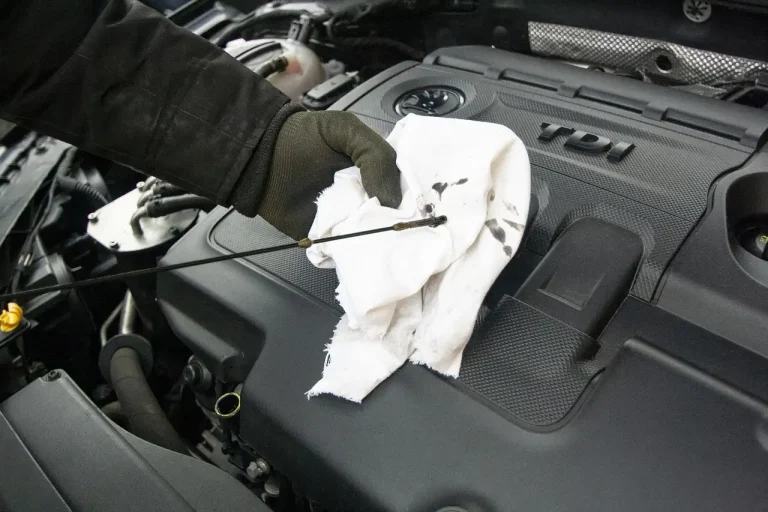
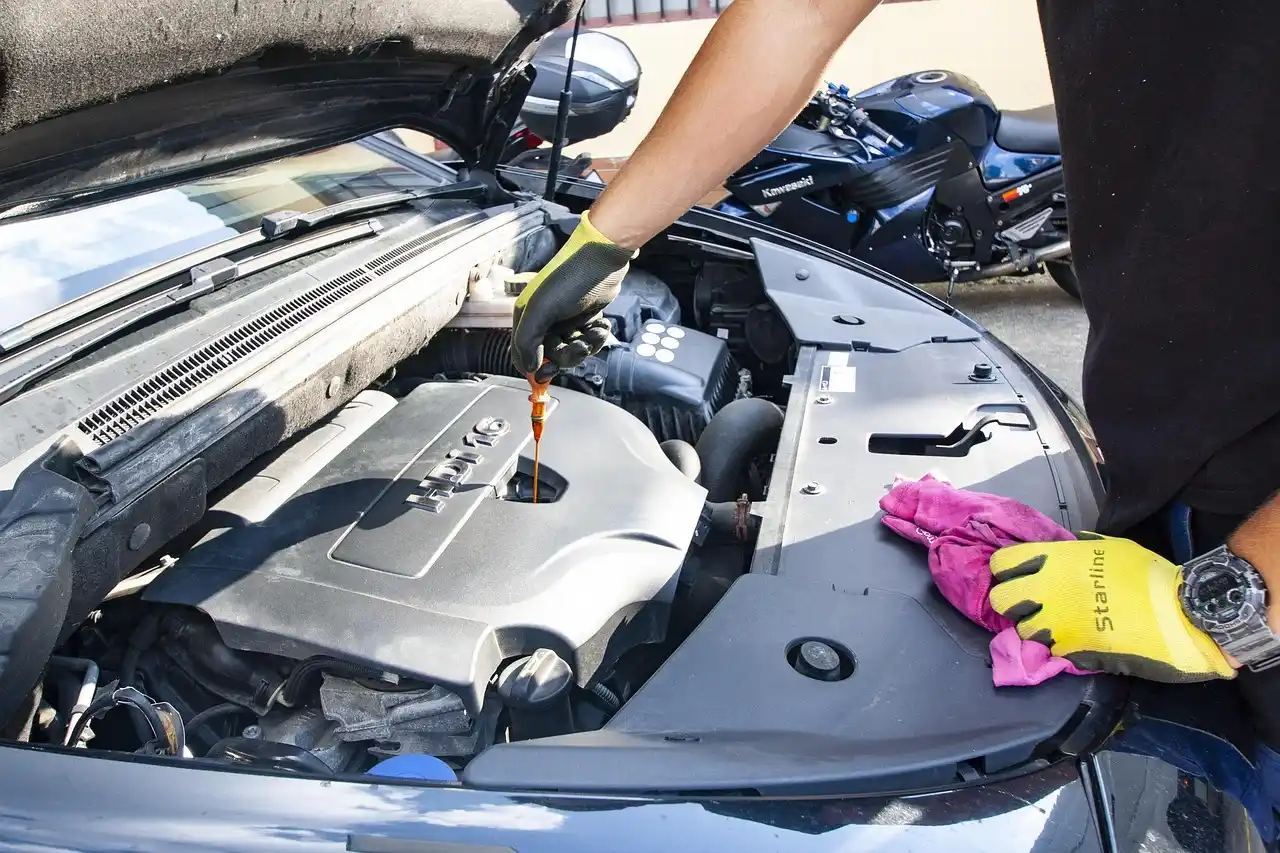
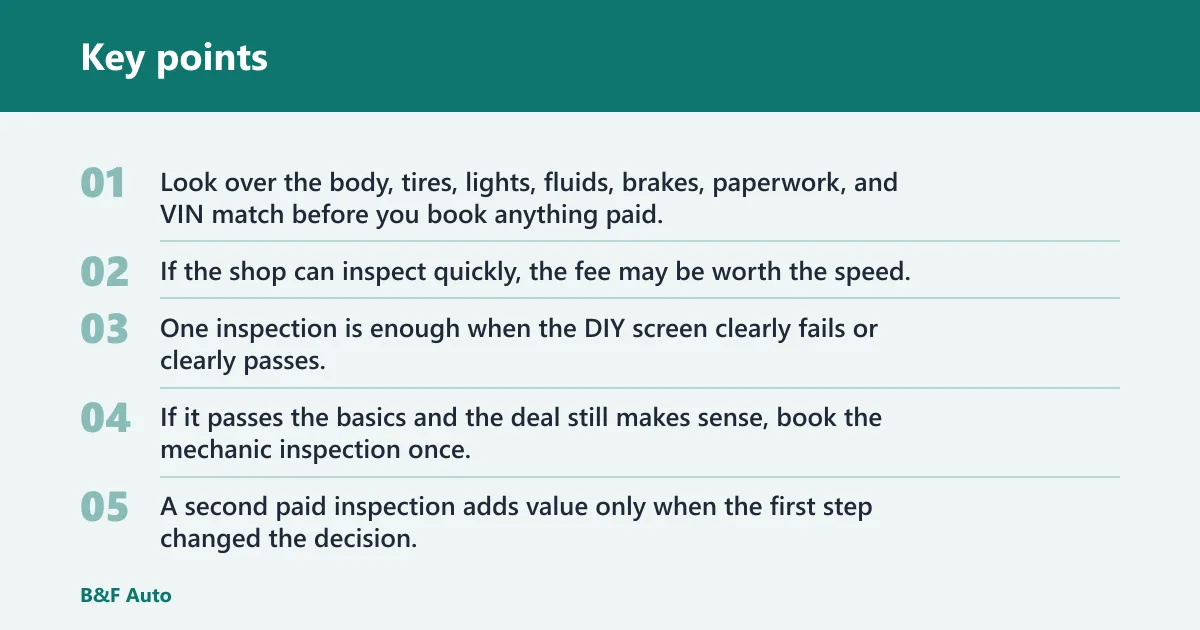
Start with a basic hands-on check. Look over the body, tires, lights, fluids, brakes, paperwork, and VIN match before you book anything paid. Then test drive the car for about 15 to 30 minutes so you can catch noise, vibration, steering, or braking issues that show up only in motion.
That order keeps you from paying an independent shop to reject a car you could have ruled out for free. It also avoids booking an inspection before the seller is ready to let you see the car, drive it, or confirm the VIN.
When the mechanic should come first
Book the mechanic first when the car is rare, expensive, or difficult to replace, or when the seller is asking a strong price and you are already close to buying. In those cases, the paid inspection can protect you from missing a costly fault that is not obvious on a casual walkaround.
That approach can also make sense when the seller will only hold the car for a short time and you need a fast yes-or-no answer. If the shop can inspect quickly, the fee may be worth the speed.
When one inspection is enough
One inspection is enough when the DIY screen clearly fails or clearly passes. If the car has obvious rust, warning lights, mismatched paperwork, or a bad test drive, stop there and walk away or negotiate only if the issue is minor and priced in. If it passes the basics and the deal still makes sense, book the mechanic inspection once.
A second paid inspection adds value only when the first step changed the decision. If the DIY screen already shows you should leave, a mechanic visit usually only confirms the exit.
Start with a DIY inspection
The DIY step should be a screen, not a substitute for a full mechanical evaluation. Use it to remove obvious bad cars early, gather room to negotiate, and decide whether the car deserves a paid inspection. It should usually cost little or nothing.
Visual checks before you spend money
Walk around the car in daylight. Look for uneven panel gaps, fresh overspray, cracked glass, fluid spots under the engine or near the rear axle, and rust around wheel arches, rocker panels, and frame edges. Check tire wear across the tread and compare all four tires for matching size and similar brand or wear level.
Turn on the exterior lights, hazards, brake lights, and turn signals. If any warning lights stay on after startup, treat that as a reason to pause and ask for an explanation before you go further.
What to check on the test drive
A test drive is part of the inspection process. Start with a cold start if possible, then drive at city and highway speeds for 15 to 30 minutes. Pay attention to braking, steering response, vibration, noise, and whether the transmission shifts cleanly.
- Start cold. Ask the seller not to warm the car before you arrive if possible. A cold start can reveal rough idle, hard starts, smoke, or noisy lifters that may calm down once the engine warms.
- Drive mixed speeds. Use city streets first, then a short highway stretch. That lets you check low-speed steering, straight-line tracking, acceleration, and whether vibration appears at 50 to 70 mph.
- Brake firmly. Make several normal stops and one firmer stop in a safe area. Listen for grinding, pulsing, or pulling to one side, which can point to brake or suspension issues.
- Listen for changes. Turn off music and fan noise for part of the drive. Clunks, humming, whine, or rubbing can point to tires, wheel bearings, exhaust, or suspension faults.
Say your test drive starts with a cold engine that cranks normally, then a steering wheel shake appears at 60 mph and the car pulls right under braking. That combination is enough to stop the process and ask for a mechanic opinion only if the price is still under discussion.
VIN, paperwork, and history report
Before you order a vehicle history report, check the VIN. It should be 17 characters and match the dashboard plate, driver-side door jamb label, title, and any registration or service records the seller shows you. If the numbers do not match, stop.
Use that VIN to order a history report and check title brands, odometer history, accident records, and salvage records. A clean-looking car with bad paperwork can still be a bad buy, and a solid paper trail can support your next move if the car passes the first screen.
When should you book a mechanic inspection?
Book a mechanic inspection after the car clears the basics, or book it earlier only when the car is rare, expensive, or already close to a deal. The right time is before purchase commitment, not after you have signed or sent money. A pre-purchase inspection can give you written findings, but shop scope varies.
Cars that are rare, expensive, or hard to replace
Pay for the inspection first when the car sits in a high-value band or the market is tight enough that missing one good example would matter. That is also the safer move when the model has a limited supply, specialty parts, or a strong price tag that makes a small hidden fault expensive.
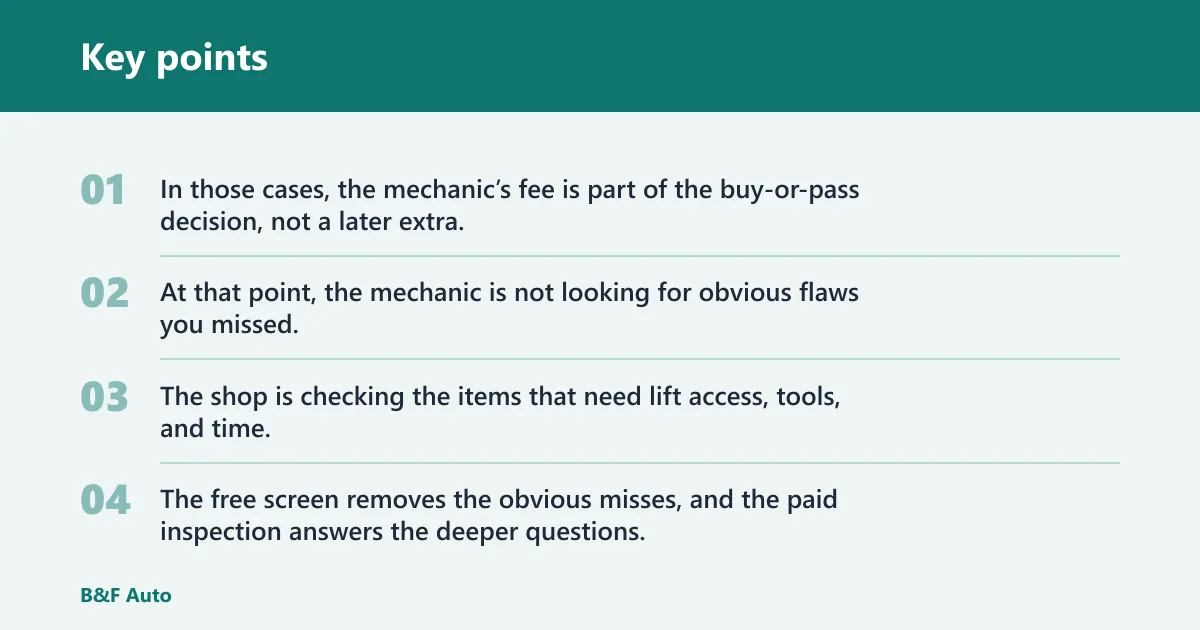
In those cases, the mechanic’s fee is part of the buy-or-pass decision, not a later extra. A lift, scan, and underbody check can save far more than the inspection costs if the car has hidden rust, leaks, or prior damage.
Cars that already passed your DIY screen
Once the car has passed your visual checks, road test, VIN match, and history report, a paid inspection is the next filter. At that point, the mechanic is not looking for obvious flaws you missed. The shop is checking the items that need lift access, tools, and time.
That is the best use of both inspections. The free screen removes the obvious misses, and the paid inspection answers the deeper questions.
Before or after price talks
For private-party sales, it is usually better to do the DIY screen first, then use the mechanic inspection to support price talks if the car still looks promising. For dealer cars, many buyers negotiate a rough range first, then book the inspection once the seller agrees to hold the car or treat it as pending.
A common first-timer mistake is paying for a mechanic visit before learning whether the seller will move on price or allow time for the shop appointment. That can leave you with a fee and no deal.
What a mechanic inspection can catch that you cannot
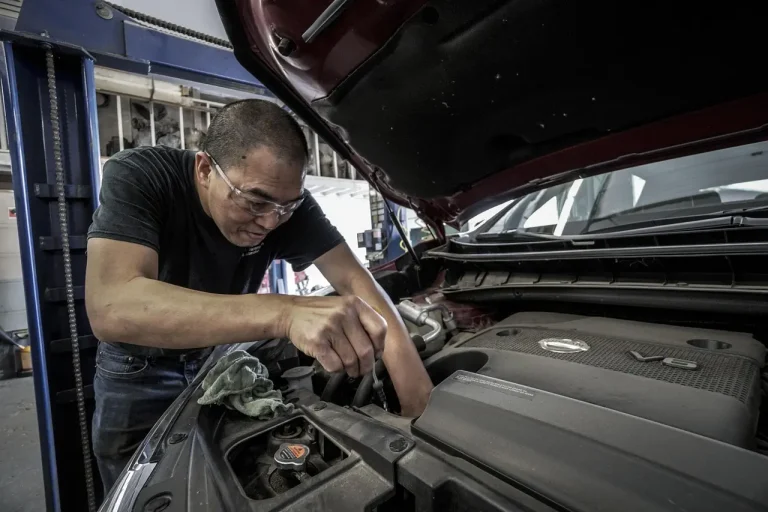
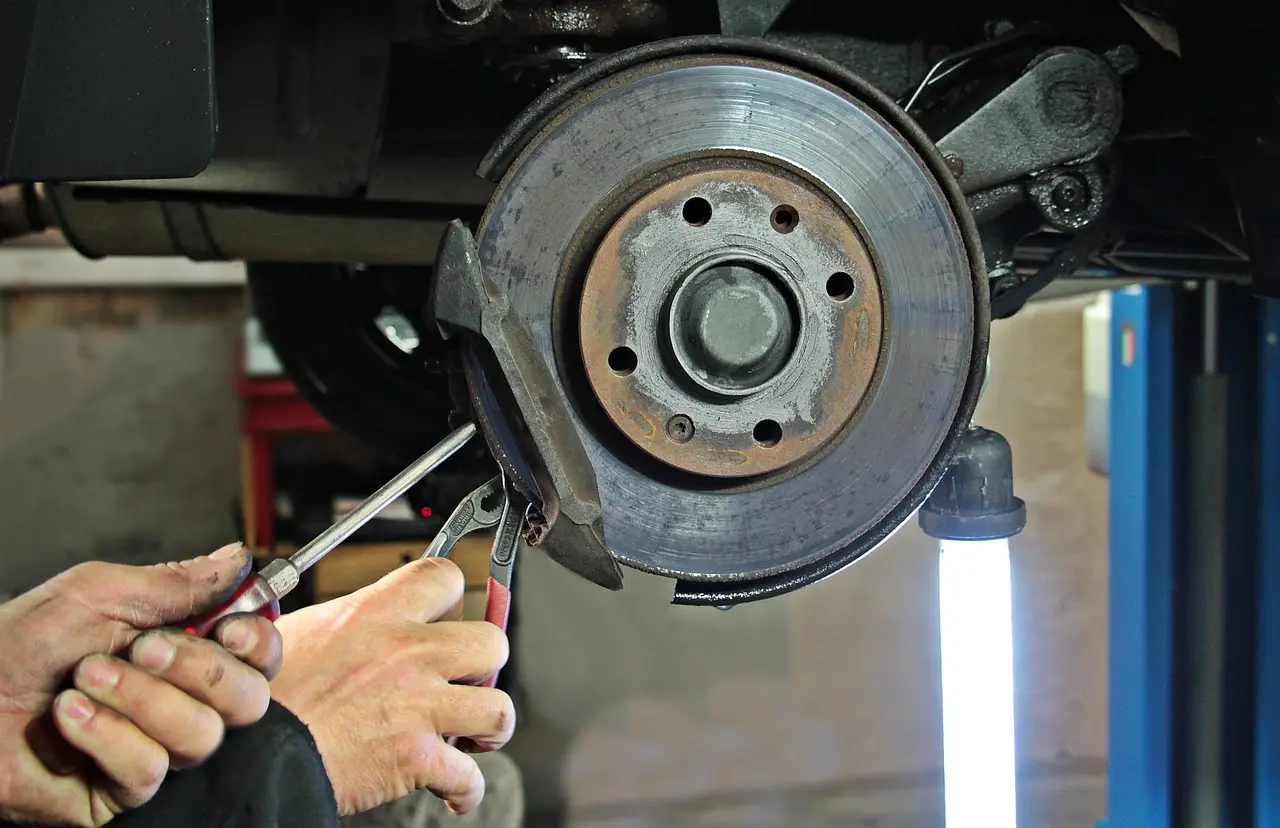
A mechanic pre-purchase inspection can catch faults that are hard to see from the ground or from the driver’s seat. The lift or hoist access matters. So does the diagnostic scan, brake and suspension checks, leak checks, and rust inspection beneath the car.
Lift and underbody checks
Most buyers cannot see the full underside, subframes, brake lines, exhaust, mounts, or floor pan edges without a lift. An independent shop can put the car in the air and inspect areas where corrosion, impact damage, and seepage often hide.
That matters on older cars, winter-driven cars, and anything with low ground clearance. It also matters when the seller’s photos look clean but the bottom of the car may tell a different story.
Brake, suspension, leak, and rust findings
A mechanic can spot worn control arms, leaking struts, torn boots, brake wear, seepage at gaskets, and rust that is beginning to affect structure or hardware. Some of these problems make noise or vibration on the road, but others only show up on a lift or during a closer brake check.
That is why a DIY look and a road test are not enough for every purchase. They can point you toward trouble, but they do not replace underbody access.
Scan tool and written report
A shop can connect a scan tool to read stored codes, pending codes, and readiness data. That may reveal faults the dash light does not show. Many shops also provide written findings, which helps when you need to negotiate, ask for repairs, or decide to walk away.
The scope is not identical at every shop. Some inspections include a short road test and more time under the car; others are limited to a checklist. Ask what is included before you book.
DIY inspection vs mechanic inspection matrix
This table gives a simple order based on buyer scenario and car value. The goal is to stop early when the car fails the cheap screen, negotiate when the DIY result is mixed, and book the mechanic only when the car still fits your budget and the deal is worth pursuing.
| Buyer scenario | Under $5,000 | $5,000 to $15,000 | $15,000 to $30,000 | Over $30,000 |
|---|---|---|---|---|
| Private-party budget car | DIY first; stop if warning lights, rust, bad papers, or bad drive. Negotiate only for small fixes. Skip mechanic unless the car is unusually clean and close to a buy. | DIY first; if it passes, book mechanic before final offer. Use findings to negotiate or walk away. Do not buy without a history report and VIN match. | DIY first, then mechanic if the car still fits the budget. If the seller resists inspection access, stop. | Mechanic first if the car is rare or you are already close to agreement; otherwise do the DIY screen first and then pay for the shop. |
| Dealer car in the middle price range | DIY first; many dealer cars in this band do not justify two paid inspections. If the car passes, ask for a short hold and book one mechanic visit only if the deal still works. | DIY first, then negotiate a range before the shop visit. Book the mechanic only after the seller agrees the car is pending inspection. | DIY first; if the car is strong and the dealer is open to a hold, pay for the inspection before signing anything. Use the report for price or repair requests. | Mechanic first if the car is a high-dollar purchase and the dealer can hold it. Otherwise do the DIY screen immediately and move fast. |
| High-value or rare car | Usually not a fit for this band. If it is, treat it as a special case and book the mechanic first. | DIY first only if the seller is local and timing is easy. Otherwise the mechanic can come first. | Mechanic first is often the safer order if the car is hard to replace or the seller is asking a firm price. If you are not close to buying, do the DIY screen first. | Mechanic first is usually the right move, then final negotiation. The fee is small compared with the risk of a bad buy. |
How the order changes by seller type
Seller type matters because access, timing, and negotiation work differently. A private-party seller may allow a longer look and more direct questions about maintenance and repairs. A dealer may offer easier access but tighter timing, a firmer price structure, and a quicker sale process.
Private-party buying
With a private seller, start with the DIY screen before you spend money. Ask for the VIN, history records, maintenance notes, and time for a full walkaround and test drive. If the car passes, book the mechanic inspection before you commit or send a deposit.
Private-party timing gives you the best chance to negotiate after the DIY step and again after the mechanic report if needed. If the car fails the cheap screen, you can walk away without spending the shop fee.
Dealer buying
With a dealer, the order can be faster. Many buyers still start with the DIY screen on the lot, then ask for a pre-purchase inspection only if the car remains a serious option. Some dealers will let an independent shop inspect the car; others may limit timing or refuse certain vehicle types.
If the car is already near your target price, use the dealer’s timing to your advantage. Ask for a hold, then schedule the inspection quickly so you do not lose the car while waiting on the shop.
How to avoid paying for two inspections
Set a stop point after the DIY screen. If the car fails on the basics, do not book the mechanic. If it passes, move directly to the paid inspection and use the report to negotiate or walk away. The key is to make each step answer a different question.
- Run the free screen. Check the VIN, history report, lights, tires, fluids, brakes, and road test before paying for anything. This removes obvious losses early.
- Set your limit. Decide in advance what failures end the deal and what issues still allow negotiation. Small cosmetic wear may be acceptable; rust, flood signs, or major warning lights usually are not.
- Book once. If the car still makes sense, schedule one pre-purchase inspection at an independent shop. Ask for lift access, a diagnostic scan, and written findings if the shop offers them.
- Use the result. If the report shows real faults, ask for a price drop or repair credit. If the seller will not move and the defect matters, walk away.
Suppose a $12,000 private-party sedan passes the DIY screen, but the shop finds a leaking strut and rear brake wear on the lift. That is the right time to negotiate with the written report, not to go back and pay for a second look elsewhere unless the first report is incomplete.
Frequently asked questions
Should I inspect a used car myself before paying for a mechanic inspection?
Yes. For most used cars, a DIY inspection first is the better order because it is cheap, fast, and good at filtering obvious problems. Check the VIN, paperwork, lights, tires, fluids, brakes, and test drive before you pay an independent shop for a pre-purchase inspection.
When should I book a mechanic inspection during the buying process?
Book it after the car passes the basic DIY screen, or sooner if the car is rare, expensive, or already close to a deal. The inspection should happen before purchase commitment, when the seller still allows access and you can still walk away or negotiate.
What can a DIY inspection catch that a mechanic might miss?
A DIY screen can catch seller timing issues, missing paperwork, VIN mismatches, obvious warning lights, and signs that the car is not worth pursuing. A mechanic may not see those if you have not verified the papers, history report, and seller access first.
What can a mechanic pre-purchase inspection catch that I cannot?
A mechanic can inspect the underside on a lift, check for leaks, rust, brake wear, and suspension faults, and scan for stored or pending codes. Those items are hard to judge from a driveway or a short test drive, which is why the paid inspection adds value.
Should I inspect the car before talking price or after I negotiate?
Do the DIY screen before serious price talks, then negotiate after that or after the mechanic report, depending on the seller type. Private-party deals often allow more back-and-forth after inspection. Dealer timing is tighter, so a rough price range may come first.
Is it worth paying for two inspections on one used car?
Usually no. The DIY screen should be the first filter, and the mechanic inspection should be the one paid step if the car still makes sense. Two paid inspections only make sense if the first report is incomplete or the car changed condition between visits.